At Christian Manley Orthodontics, we understand how frustrating and concerning it can be when everyday actions like chewing or yawning are interrupted by an unexpected click or pop in your jaw. If you’ve ever wondered, “Why is my jaw clicking?” you’re not alone. This common issue often points to temporomandibular joint (TMJ) disorders, also known as TMD, which affect millions of people across all ages. As a leading orthodontic practice in Issaquah and Sammamish, Washington, we’ve helped countless patients address jaw clicking and related symptoms through personalized, non-invasive treatments.
In this blog, we’ll delve into the TMJ causes, symptoms, and effective orthodontic solutions to help you understand your condition and take the first steps toward relief. Whether you’re experiencing mild discomfort or more persistent issues, knowledge is the key to better oral health. Let’s explore how addressing jaw clicking can lead to a more comfortable, confident life.
Understanding the Temporomandibular Joint (TMJ)
Before diving into why your jaw might be clicking, it’s essential to grasp the basics of the TMJ itself. The temporomandibular joints are the hinges connecting your jawbone (mandible) to your skull, located just in front of each ear. These complex joints allow for a wide range of movements, including opening and closing your mouth, chewing, speaking, and even yawning. They work in harmony with surrounding muscles, ligaments, and a small disc of cartilage that acts as a cushion to ensure smooth motion.
When everything functions properly, these movements are seamless. However, disruptions can lead to TMD symptoms, including that telltale jaw clicking or popping sound. Unlike other joints in the body, the TMJ is used constantly, up to 2,000 times a day for some people, which makes it particularly susceptible to wear and tear. At our practice, we emphasize that early intervention can prevent minor issues from escalating into chronic problems.
Common TMJ Causes: Why Does Jaw Clicking Happen?
Jaw clicking often signals an underlying imbalance in the TMJ. While the exact TMJ causes can vary from person to person, several factors commonly contribute to this condition. Understanding these can help you identify potential triggers in your own life.
- Misalignment of the Jaw or Teeth: One of the primary TMJ causes is malocclusion, or a misaligned bite. When your upper and lower teeth don’t fit together properly, it places uneven pressure on the TMJ, leading to strain and eventual clicking. This misalignment can stem from genetics, habits like thumb-sucking in childhood, or even previous dental work. In our Issaquah and Sammamish offices, we frequently see patients whose jaw clicking began after years of untreated bite issues.
- Disc Displacement: The small cartilage disc in the TMJ can slip out of place, causing the bones to rub against each other irregularly. This displacement is a leading cause of jaw popping or clicking sounds, often accompanied by a sensation of the jaw “catching” during movement. Trauma, such as a blow to the face or whiplash from an accident, can trigger this, but it can also develop gradually from repetitive strain.
- Muscle Tension and Stress: Modern life is full of stressors, and many people unconsciously clench or grind their teeth (bruxism) in response. This habitual tension overloads the jaw muscles and TMJ, contributing to TMD symptoms. Emotional stress, poor posture, or even intense workouts can exacerbate this, turning occasional jaw clicking into a daily annoyance.
- Arthritis and Joint Degeneration: Conditions like osteoarthritis or rheumatoid arthritis can affect the TMJ just as they do other joints. Over time, inflammation erodes the cartilage, leading to bone-on-bone contact and audible clicking. While more common in older adults, we’ve treated younger patients at Christian Manley Orthodontics, where early arthritis played a role in their TMJ causes.
- Other Contributing Factors: Habits like chewing gum excessively, nail-biting, or leaning on your chin can strain the joint. Additionally, systemic issues such as connective tissue disorders or hormonal changes (which may explain why TMJ disorders are more prevalent in women) can increase susceptibility. In rare cases, jaw clicking might link to broader health concerns like sleep apnea, where airway obstruction during sleep leads to compensatory jaw movements.
By identifying these TMJ causes early, orthodontic evaluation can often pinpoint the root issue and prevent progression. If you’re in the Sammamish or Issaquah area, scheduling a free consultation with us can provide clarity tailored to your unique situation.
Recognizing TMJ Symptoms: Beyond Just Jaw Clicking
Jaw clicking is often the first noticeable sign, but TMJ symptoms can extend far beyond that, impacting your overall quality of life. It’s important not to ignore these, as untreated TMD can lead to more severe complications.
- Pain and Discomfort: Many patients report aching around the jaw, ears, temples, or even the neck and shoulders. This pain might worsen with chewing tough foods or during stressful periods.
- Limited Jaw Movement: Difficulty opening your mouth wide, or a feeling of the jaw locking in place, is a common TMD symptom. This can make simple tasks like eating an apple or singing challenging.
- Headaches and Ear Issues: Frequent tension headaches, migraines, or earaches without an apparent ear infection often stem from TMJ strain. Some experience tinnitus (ringing in the ears) or a sense of fullness in the ear.
- Facial Swelling or Tenderness: Inflammation around the jaw joint can cause visible swelling or sensitivity when touching the area.
- Associated Symptoms: Fatigue in the jaw muscles after minimal use, uneven tooth wear from grinding, or even changes in how your teeth align when biting down can all signal TMJ involvement.
If these TMJ symptoms sound familiar, it’s crucial to seek professional assessment. At our practice, we use advanced diagnostics, including digital imaging and bite analysis, to evaluate the full extent of your condition without invasive procedures.
Orthodontic Solutions for TMJ: How We Can Help
The good news is that orthodontic treatments offer effective, non-surgical orthodontic solutions for TMJ. At Christian Manley Orthodontics, we specialize in addressing jaw clicking and TMD through customized plans that align with your lifestyle and goals.
Invisalign for Bite Correction:
As a preferred Invisalign provider, we use clear, removable aligners to gently realign your teeth and jaw. This can alleviate pressure on the TMJ, reducing clicking and associated pain. Invisalign is ideal for adults and teens seeking discreet treatment, with many patients noticing improvement in TMJ symptoms within months.
Braces Options:
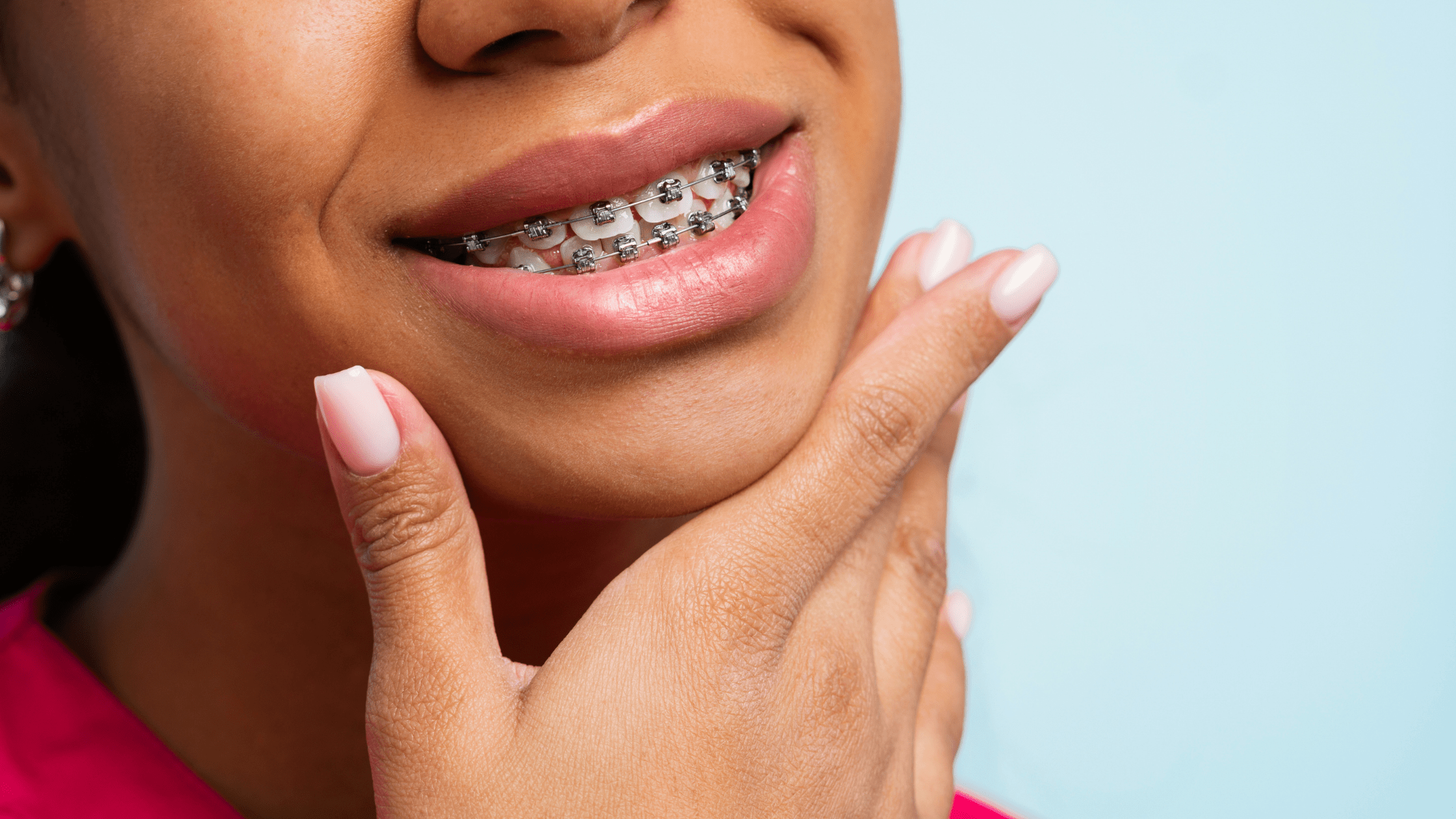
For more complex cases, metal or clear braces like the Lightforce clear braces provide precise control over tooth movement. These lighter, more comfortable braces minimize discomfort while correcting malocclusion, a key TMJ cause. Our multilingual team ensures clear communication throughout your journey.
Dental Monitoring and Virtual Check-Ins
Using our DentalMonitoring app, we track your progress remotely, allowing for adjustments without frequent office visits. This convenience is perfect for busy families in Issaquah and Sammamish.
Custom Splints and Night Guards
To combat bruxism and muscle tension, we create personalized oral appliances that protect your teeth and relax the jaw muscles overnight. These are often the first line of defense against worsening TMD symptoms.
Holistic Approaches
We integrate lifestyle recommendations, such as stress management techniques, posture exercises, and dietary tips, to complement orthodontic care. For cases linked to sleep apnea, we collaborate with specialists to ensure comprehensive treatment.
Our goal is always conservative management first, avoiding surgery whenever possible. With over 30 years of experience, we’ve seen orthodontic solutions for TMJ transform lives, restoring comfort and function.
Preventive Tips to Manage Jaw Clicking at Home
Professional care is essential; simple habits can help manage TMJ symptoms daily:
- Practice relaxation techniques like deep breathing to reduce clenching.
- Apply warm compresses to the jaw for 10-15 minutes to ease tension.
- Avoid hard or chewy foods that strain the joint.
- Maintain good posture to align your head, neck, and jaw properly.
- Use over-the-counter anti-inflammatories sparingly, but consult us first.
Remember, these are supportive measures a professional orthodontic evaluation ensures long-term success.
Trust Expert Orthodontic Care for Lasting Relief
Jaw clicking and TMJ disorders don’t have to disrupt your life. By understanding TMJ causes, recognizing symptoms early, and exploring orthodontic treatments, you can achieve a pain-free, functional jaw. At Christian Manley Orthodontics, Dr. Christian Manley brings decades of expertise as a board-certified orthodontist with a Master’s in Orthodontics from Loma Linda University. His commitment to continuing education and patient-centered care has earned him recognition as the #1 favorite orthodontist on the Eastside. Whether through Invisalign, braces, or custom appliances, Dr. Manley and our team are dedicated to creating beautiful, healthy smiles that last a lifetime.
If you’re ready to address your jaw clicking, contact our Issaquah or Sammamish offices today for a free consultation. We’re here to help you smile with confidence.
FAQs
What are the most common TMJ causes?
TMJ causes often include jaw misalignment, disc displacement, stress-induced muscle tension, arthritis, or habits like teeth grinding. Identifying the specific cause through an orthodontic exam is key to effective treatment.
How do I know if my jaw clicking is serious?
If jaw clicking is accompanied by pain, limited movement, headaches, or locking, it may indicate TMD symptoms requiring attention. Mild, painless clicking can sometimes resolve on its own, but persistent issues warrant a professional evaluation.
Can orthodontic treatments really help with TMJ symptoms?
Yes, orthodontic solutions for TMJ, such as Invisalign or braces, correct bite issues that contribute to jaw strain. Combined with splints, they often provide significant relief without surgery.
Is jaw popping the same as jaw clicking?
Jaw popping and clicking are similar TMD symptoms, often caused by disc issues or joint irregularities. Both should be assessed if frequent or painful.
How long does it take to see improvement in TMJ symptoms with treatment?
Many patients notice reduced jaw clicking and pain within weeks to months of starting orthodontic care, depending on the severity. Consistent use of appliances accelerates results.
Does insurance cover orthodontic treatments for TMJ?
Coverage varies, but many plans include benefits for medically necessary TMJ treatments. Our team at Christian Manley Orthodontics can help verify your options and explore flexible financing.